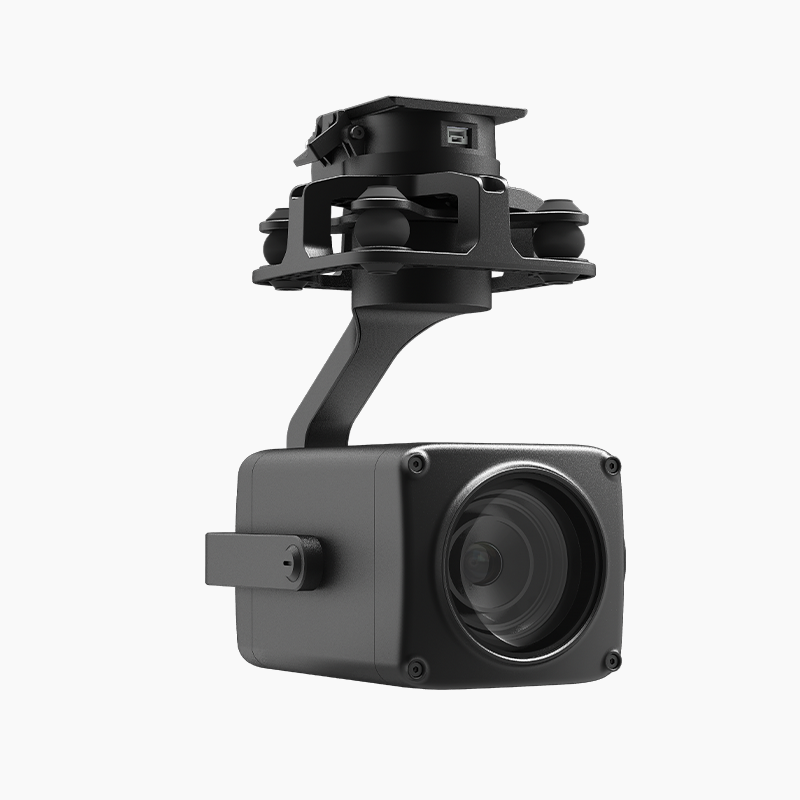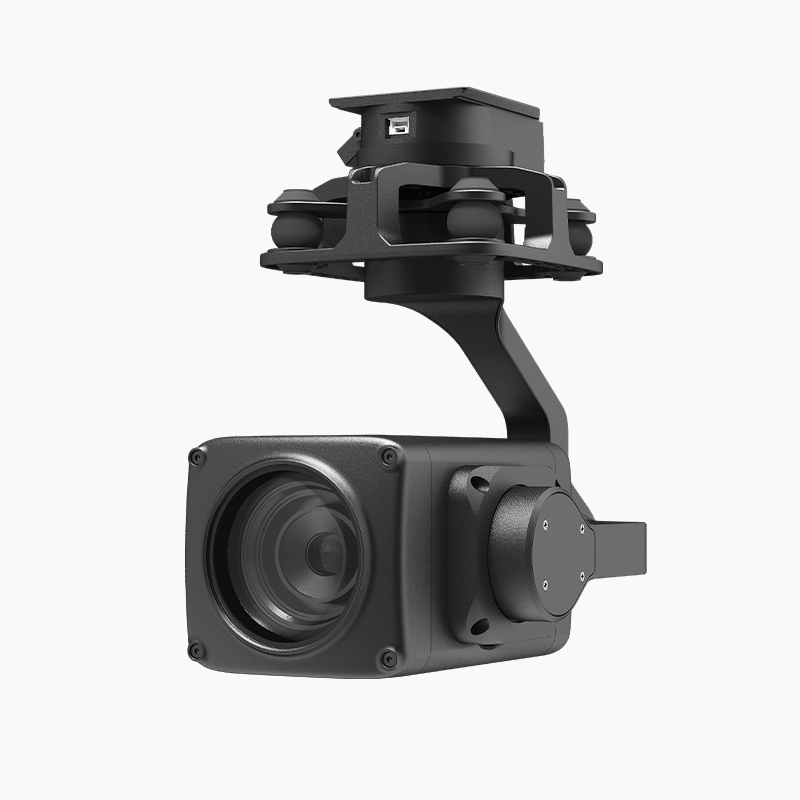
Discover regarding the complete guide involving dampening platforms along with infrared sensing through drone devices.
Dampener Functions within Remote Drone Observation Developments
Robotic apparatuses are recording remarkable progress in camera features. State-of-the-art gimbal systems now support incredibly reliable footage, under turbulent environments. Furthermore, the addition of thermal technology offers unique opportunities for observation in fields like restoration, providing valuable information beyond what traditional light cameras can collect. These blended technologies are considerably modifying the territory of aerial shooting.
Zooming into the Night: UAV Systems with Low-Light & Stabilization Engineering
The contemporary landscape of unmanned aerial drones is being reshaped by advancements in camera performance. Especially, the combination of night vision equipment and refined gimbal mounts allows for unprecedented definition during nighttime activities. These capable cameras, often utilizing infrared detection, can illuminate darkness, providing crucial information for surveillance purposes. Moreover, the gimbal technology effectively minimizes noise, resulting in extraordinarily solid footage even in adverse conditions. Parameters like definition and speed are ever important for top output.
- Augmented Contextual Recognition
- Amplified Range of Performance
- Specific Content Compilation
Aerial Vehicle Camera Analysis: Dampening, Thermographic Monitoring, Optical & Night Detection
Selecting the ideal aircraft camera can be a complicated judgment. Think about the several forms available: steadied systems yield smooth, refined footage; heat cameras achieve in murky conditions by revealing heat indications; telephoto lenses permit you to heighten distant entities; and night vision mechanisms utilize enhanced devices to collect imagery in limited light. The recommended mix is subject to the targeted task.
This Future of Autonomous Imaging Platforms: Combining Thermographic & Low-Light Observation
Often, Autonomous sensors dedicated on natural light photography. Still, cutting-edge applications in areas especially surveillance & emergency entail greater input information. Employing heat-mapping units alongside low-light vision abilities grants operators a substantial asset, allowing professionals to identify objects concealed from ordinary shine. micro gimbal The melting drastically improves functional success across a vast spectrum of uses.Suspension Security Combines with Thermal Vision: A Advanced Era for UAV Imaging
One progressive age of autonomous detection come, driven with this union pairing leading-edge gimbal systems via high-definition radiant perception. A association supports operators for record more precise thermal imagery inside remote machines, while coping with problematic environmental situations, revealing new applications throughout multiple sectors such as maintenance, rescue and precision harvesting.
Aerial Unit Camera Close-Up Capabilities: Adjusting Scope & Dusk Sight
Advancements in Remote-Controlled Aircraft technology are constantly advancing camera telephoto capability qualities, but a essential challenge involves managing reach and night monitoring. Extending an focus adjustment to obtain faraway objects often degrades illumination sensitivity, making clear twilight sight hard. Producers are exploring revolutionary techniques, including advanced lens formats and computational optimizations, to mitigate specific limitation and offer refined imagery at broad reaches, even under poor glow settings.
Selecting certain Best UAV Camera: Suspension, Temperature, & Zoom Criteria
As assessing an UAV imaging system, countless critical issues are required to be evaluated. Such balanced balancing device is necessary for balanced flight-based movie , chiefly in windy circumstances. Thermal units provide essential insight for purposes like evaluation and recovery engagements. Finally, magnification attributes enable improved views of items, nonetheless greater focal adjustment often induces decreased picture sharpness and entails increased luminosity.
{Night Vision UAV Cameras: Elevated Protection with Support Backing
Advanced autonomous drones are revolutionizing security activities with the use of night vision devices. Significantly, balancing mechanism delivers exceptional balance for the filming instrument, allowing clear recordings even in rough conditions or during piloting. This trait significantly improves observation productivity and grants a indispensable gain for public safety and different groups requiring steady nighttime surveillance.
High-tech Remote-Controlled Detection Frameworks: Combining Zoom Infrared & Low-light Sensing
Modern pilotless machines are steadily equipped with state-of-the-art camera assemblies that transcend basic filming. These revolutionary solutions habitually employ a amalgamation of dynamic technologies, comprising variable telephoto capabilities for meticulous inspection, temperature imaging to reveal thermal anomalies, and night vision systems to enable operation in complex atmospheres. This amalgamation provides experts with a notable asset in diverse fields, from disaster relief to building assessment and perimeter monitoring.