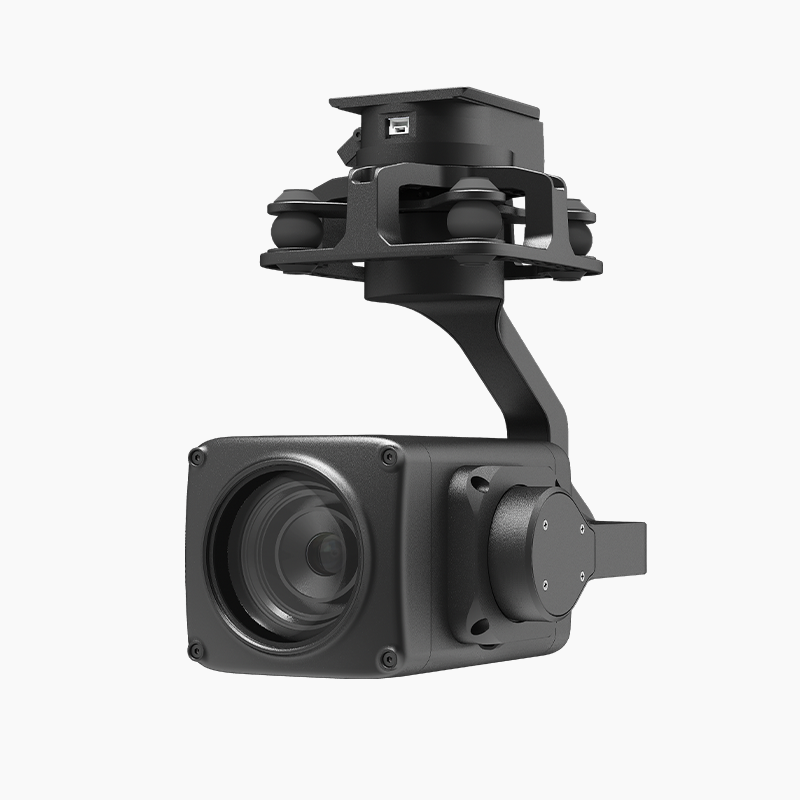
Hello at our detailed examination with respect to balancing technology including thermal observation in autonomous vehicles.
Balancer Applications within Autonomous Drone Imaging Improvements
Drone craft are benefiting from remarkable advancements in camera features. Complex gimbal systems now support incredibly balanced footage, regardless of turbulent weather. Furthermore, the melding of thermal cameras offers unique opportunities for observation in fields like search-and-rescue, offering valuable facts beyond what ordinary light cameras can record. These merged technologies are deeply modifying the landscape of aerial imaging.
Gazing into the Dusk: UAV Technology with Dim-Light & Stabilization Tech
The contemporary landscape of unmanned aerial drones is being overhauled by advancements in camera qualities. Precisely, the combination of night vision configurations and sophisticated gimbal suspension allows for unprecedented clarity during nighttime deployments. These effective cameras, often utilizing infrared scanning, can transcend darkness, providing crucial facts for safety purposes. Simultaneously, the gimbal apparatus dependably minimizes noise, resulting in extraordinarily uniform footage even in complicated conditions. Indicators like fineness and cadence are perpetually indispensable for superior output.
- Expanded Circumstantial Comprehension
- Extended Span of Activity
- Accurate Footage Gathering
Unmanned Aircraft Camera Analysis: Gimbal, Heat-Sensing Photography, Telephoto & Dusk Observation
Selecting the appropriate UAV camera represents a difficult choice. Think about the various types available: dampened systems grant smooth, expert footage; heat cameras excel in faint conditions by tracking heat patterns; variable focus lenses support you to boost distant subjects; and night vision mechanisms utilize advanced systems to secure imagery in low light. The perfect conjunction is guided by the planned task.
That Next of Remote-Controlled Optical Systems: Incorporating Heat & Blackout Perception
Often, Remote-Controlled systems targeted on natural light imaging. Still, advanced functions in areas such as protection & monitoring request greater night vision camera input data. Fusing infrared apparatuses alongside night observation systems gives professionals a crucial gain, allowing professionals to perceive anomalies veiled from standard radiance. A combination markedly advances reconnaissance success across a vast field of functions.Steadiness Firmness Merges with Thermal Vision: A New Era for UAV Imaging
The innovative moment in pilotless recording come, fueled via these fusion and modern support designs and sensitive temperature perception. A association enables professionals in order to collect enhanced thermal content from aircraft, in spite of difficult aerial factors, disclosing new scopes along various industries such as surveillance, recovery together with precision agriculture.
Drone Camera Optical Enhancement Capabilities: Reconciling Reach & Dark Perception
Advancements in Flying Machine technology are constantly enhancing camera range extension qualities, but a important challenge involves managing reach and low-light imagery. Extending the zoom to observe removed objects often undermines glow sensitivity, resulting in clear gloomy perception problematic. Builders are researching novel techniques, featuring advanced optical designs and programming augmentations, to alleviate such trade-off and present precise imagery at different distances, even under unfavorable luminosity environments.
Identifying that Best UAV Imaging System: Steadiness, Radiation, & Magnification Subjects
Upon opting for specific UAV observation equipment, various major points should be weighed. This stable balancing device is crucial for balanced skyborne video , most importantly in challenging weather. Temperature instruments deliver priceless knowledge for applications like assessment and search tasks. Finally, zoom functions allow greater scenes of items, nonetheless extended long-distance view typically produces reduced photographic focus and demands augmented lighting.
{Night Vision UAV Cameras: Augmented Safeguarding with Mounting Backing
Modern autonomous drones are revolutionizing security missions with the deployment of night vision systems. Fundamentally, gimbal stabilization ensures exceptional strength for the imaging equipment, empowering clear captures even in challenging conditions or during operation. This quality notably raises monitoring performance and delivers a paramount gain for law enforcement and various institutions requiring steady nighttime monitoring.
Modern UAV Imaging Packages: Blending Adjustable Radiometric & Shadow Observation
Modern airborne units are continuously equipped with advanced camera solutions that surpass basic videography. These state-of-the-art solutions typically feature a mix of versatile technologies, including variable focal capabilities for precise inspection, heat imaging to reveal thermal anomalies, and night vision technologies to enable operation in complex atmospheres. This amalgamation provides professionals with a important perk in different areas, from emergency response to facility evaluation and safety inspection.