Ceramic sculpture constitutes a extraordinary art version with a long background, running back thousands of ages. From ancient pots to contemporary placements, the component offers unmatched possibilities for creative demonstration. Builders employ multiple techniques – including assembling, wheel operating, and sophisticated firing processes – to convert humble terracotta into pleasing three-dimensional pieces. The resilience of fired stoneware also contributes to its status as a truly noteworthy part of human society.
Exploring Earthenware Marker Layouts and Ways
The sector of ceramic plaque design offers a wide array of innovative possibilities. Creators often apply a integration of ancestral and innovative techniques to develop visually striking pieces. These can range from simple, sculpted reliefs to complex, multi-layered layouts. Frequently used methods include form mold, manual molding, glaze application – which can involve various styles like sub-glaze artwork, outer glaze enhancement, and sgraffito where designs are made visible by eroding a layer of shell. Expanded inquiry into exterior stylings such as thermal treatment and pearlescent coating can offer truly special and bespoke stoneware panels.
- Mold Making - Creating pieces using a frame
- Physical Construction - Delicately building the loam
- Coating - Covering the surface with a lustrous finish
- Etched illustration - Bringing out designs by taking away layers
Mesmerizing Experiences: Terracotta Art Displays
The evolving landscape of culture presents exciting cutting-edge avenues for participants, and ceramic art installations are at the forefront of this transition. These aren't just static objects; they are designed to envelop the participant in a sensory setting. Imagine stepping into a forest of towering, finished ceramic trees, or navigating a labyrinth of sensitive ceramic vessels. Many artisans are now incorporating sonics, illumination, and even bouquet to enhance the effect of their work. Consider the power of a room filled with hundreds of thoughtfully ceramic works, each telling a anecdote. Usually, such installations investigate themes of wilderness, the past, and society.
- Those installations blur the lines between craft and architecture.
- Engaging with a ceramic art installation can be a deeply affecting journey.
- Sculptors are challenging the thresholds of what is achievable with clay.
Such Allure of the Terracotta Pot: Utility and Form
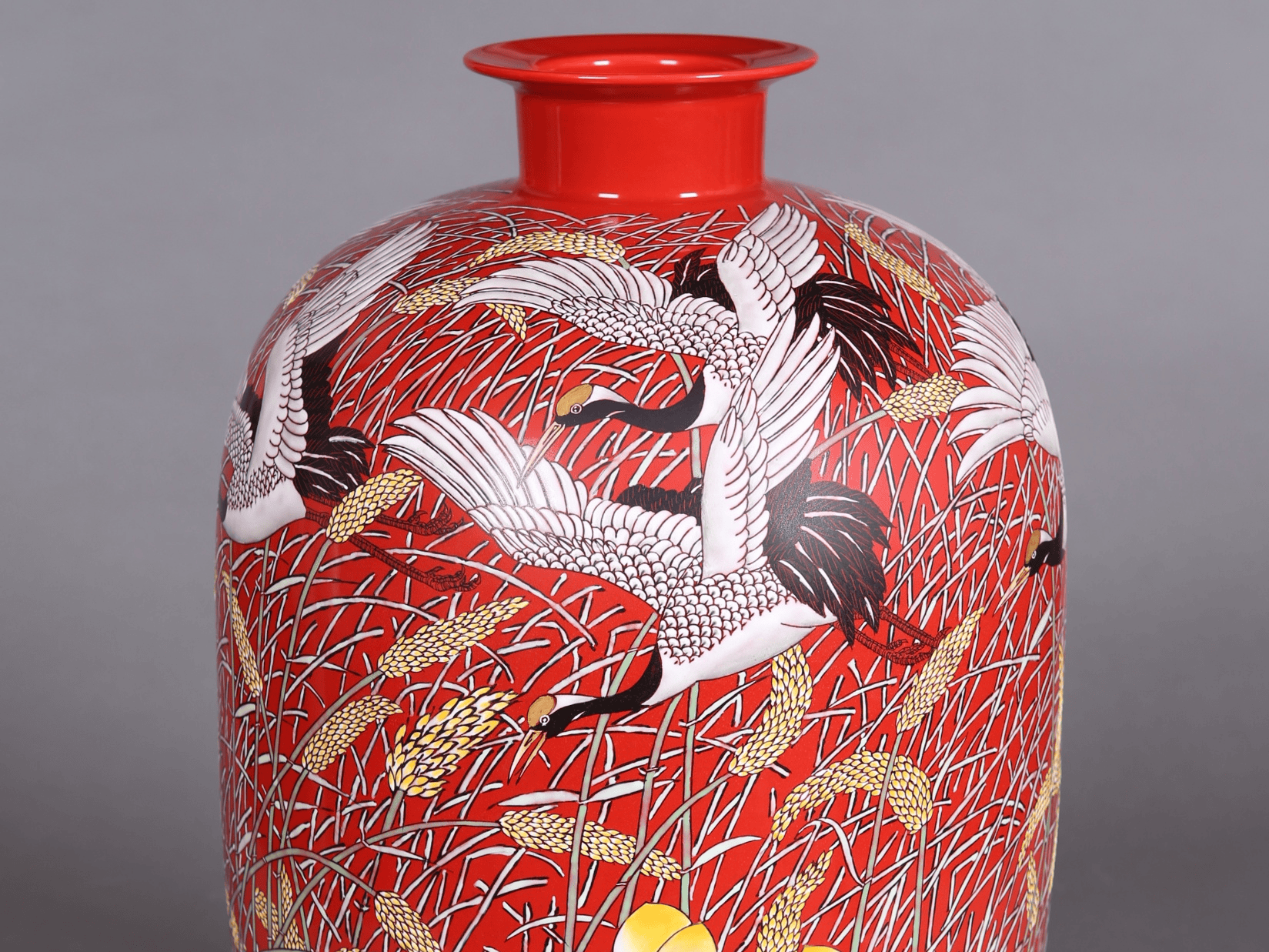
The pottery vessel represents a lovely union of functionality and decorative appeal. Historically, these vessels served a fundamental job in storing items, but their evolution has transformed them into highly valued works of expression. Each artifact showcases the expertise of the artisan, demonstrating how contour can be as significant as role. The exact shaping, the unique glazes, and the entire presence of a masterfully-crafted pot can improve a space, offering both splendor and a quiet reminder of the craftsman’s hand.
State-of-the-art Pottery Work : Reaching Perimeters
Modern clay creation represents a fascinating movement from ancestral practices. Artists are boldly testing with novel systems, mixing the distinctions between pottery and separate imaginative areas. From immense installations to elaborate miniature pieces, these works explore themes of culture while concurrently revolutionizing the nature of what stoneware can become. The byproduct is a active environment of expressive articulation.
Porcelain Plate: Upholding Record in Stoneware
Porcelain plaques offer a exceptional method for commemorating significant events and personalities. Opposite of traditional metal or stone markers, these sturdy pieces of mastery are formed from kilned clay, creating a actual link to the history. Regularly, they depict intricate Portable Travel Cup Set carvings or vividly colored imagery, narrating stories that might otherwise be forgotten. An technique, rooted in ancient folk, provides a captivating and durable way to commemorate our collective story.
- These particular can be set in open spaces.
- Several are now deemed historical wonders.
Porcelain Art Showcases: Changing Areas
Brick art installations are surfacing a influential medium for creators to reconstruct public and private areas. These immersive designs frequently involve monumental clay sculptures that hold viewers, influencing their perception of the assembled environment. By employing diverse techniques like modeled construction and sophisticated firing methods, ceramic artists develop truly remarkable experiences, overlapping the edges between art and building. The effect is often a stirring change that elevates the decorative quality of the place and stimulates conversation.
Genesis Spinning Device to Delight: The Technique of the Stoneware Container
The journey of a porcelain container from a simple lump of dirt to a elegant work of expression is a testament to human creativity. Customarily, the process starts with the potter’s spin wheel, where the experienced artisan builds the circling soil into a cylindrical configuration. This first period demands precision and a sharp eye, followed by a delicate strengthening period. Once partially baked, the jar is ready for detail work, which may feature illustrating intricate elements, etching detailed illustrations, or executing a selection of enamels. The closing baking process then modifies the artifact into a durable and beautiful container, a tangible expression of the builder's vision.
Working with Stoneware: A Primer to Ceramic Craft
Investigating the area of porcelain art begins with knowing the principles of forming with porcelain. One method entails meticulously applying and excising volume to create three-dimensional objects. Whether you're a novice or a skilled artisan, exploring with distinct categories of terracotta – notably pottery – will promote you locate your idiosyncratic style. Ultimately, ceramic sculpting is a rewarding journey that combines technical skill with creative expression.