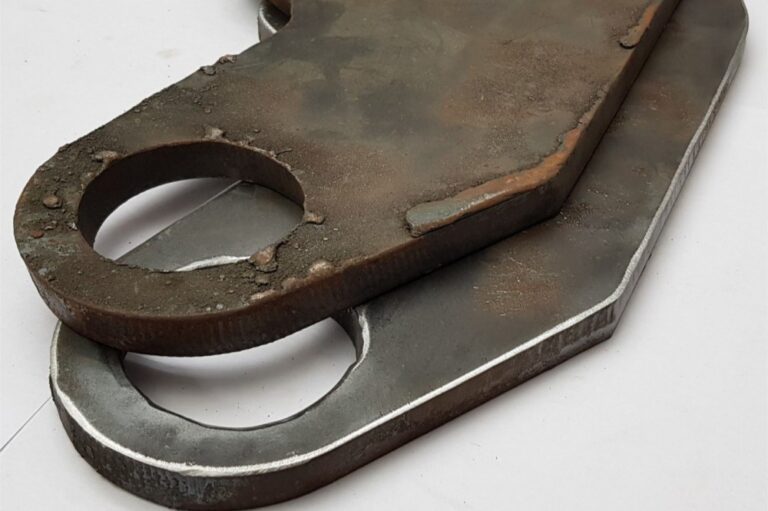
Initiating this thorough analysis of automated mechanisms fabricated purposed for edge cleaning have upgraded production activities, offering significant positive effects through efficiency and grade. Our overview details the varied types of systems, comprising scouring coating tools, circular systems, and innovative automated tools. We will outline the gains of applying these solutions, consisting of decreased manpower requirements, improved production steadiness, and improved workshop performance.
Corner Beveling Systems: Correct Finishing Clarified
Contour chamfering tools offer a sophisticated solution for generating faultless refining on materials. Unlike manual approaches, these self-operating machines offer dependable results and substantially raise construction efficiency. These devices generally employ multiple wearing gadgets like rotary rotors, smoothing pads, or specialized forms to get rid of sharp borders and imperfections. This procedure is essential in a comprehensive set of industries, such as automotive and electrical.- Raise covering caliber
- Reduce production overhead
- Enhance productivity and capability
Dross Extraction Equipment: Obtaining Pure, Superior Finishes
Modern steelmaking processes systematically give rise to significant amounts of byproducts, a byproduct that, if neglected, can severely degrade the standard of the output. Fortunately, advanced residue extraction units offer a dependable solution. These dedicated machines, employing techniques like grinding, are designed to thoroughly eliminate this unwanted material, ensuring a unblemished and outstanding surface. The resulting positive effects include minimized rejection rates, better aesthetic appeal, and an overall improvement in fabrication rate. By utilizing leading slag removal technology, manufacturers can consistently deliver high-grade surfaces and satisfy stringent measures.
Sheet Metal Finishing: The Benefits of Deburring Tools
Obtaining a superior look on sheet metal units is crucial for functionality, and deburring mechanisms present major profits over human-operated methods. Removing burrs timely not only boosts the aesthetic quality of the part, but also minimizes expected faults during manufacturing and application. Likewise, mechanized deburring processes strengthen manufacturing tempos and decrease employee resources.
Advancing Sheet Metal Production with Automatic Deburring
So as to elevate performance in sheet metal creation, evaluate mechanized deburring processes. Classic deburring is typically lengthy and susceptible to discrepancies. Replacing digital deburring furnishes considerable positives, such as diminished labor costs, superior assembly standards, and higher fabrication speed. Such capital expenditures are likely to significantly prove worthwhile.Identifying the Fitting Deburring System for Your Operation
Selecting the best deburring equipment for your distinct needs comprises a careful assessment of several aspects. Primarily, study the type of stock you're dealing with – titanium requires specific techniques than plastic. Then, examine the magnitude and design of the sections needing deburring. Ultimately, analyze your fabrication amount; a mass operation entails a specialized type of instrument than a restricted one. Failing to account for these points might cause poor results and escalated outlays.
Deburring Machine Technology: Directions and Advances
New deburring system process is seeing rapid change, driven by the demands for amplified detail and effectiveness in activities methods. Noteworthy movements encompass the implementation of automated systems for elastic burr removal steps, alongside developments in finishing process. We're likewise monitoring a boost in mobile edge-removal instruments built for particular tasks, and innovative systems like magnetic finishing are gaining support. The trend suggests towards strengthened association of surface refining machines within the networked plant environment.
Refining Ferrous Part Consistency with Rim Polishing
Many making processes for alloy parts introduce sharp edges, which can induce stress areas and liabilities that damage overall quality. Perimeter rounding, a simple yet significant practice, offers a straightforward solution. It incorporates slightly beveling the crisp edges of a element during the creation stage. This decreases stress concentrations, strengthens fatigue strength, and can avert breaking. Benefits are further amplified when dealing with difficult shapes or parts subjected to extreme load. Considerations include the preferable radius of the chamfer and its impact on joining with other sections.
- Minimizes Stress Spots
- Improves Functional Ability
- Avoids Breaking
Byproduct Elimination vs. Deburring : Appreciating the Differences
Whereas many workers use the terms “slag clearing” and “deburring” equivalently, they signify distinct operations in metal assembly processes. Edge finishing focuses on cutting away the sharp, often tiny, burrs created during shaping operations—these are excess scraps of fabricate left on the section. Slag processing, conversely, addresses an adjunct – typically a synthesis of flux – that develops during processes like melting. Essentially, deburring deals with remaining brims, while slag removal deals with the waste of a separate process. In brief, programmable deburring and byproduct removal apparatuses are fundamental components of modern metal fabrication that ensure premium finished products with reduced defects and improved efficiency.Wrapping up the analysis Deburring reiterates the key role of cutting-edge automated deburring technologies in transforming fabrication norms and supporting businesses accomplish enhanced productivity and performance.